We are thrilled to announce the immediate availability of our secure telehealth video service! We now offer fully HIPAA-compliant video conferencing for our patients and friends that is:
Our new video chat service is completely safe and secure, fully protects the privacy of the patient, and works on Android and iOS, on PCs and Macs! The software is fully vetted and tested so that our patients and friends can rest assured that their protected health information will remain private and secure. All you need to have is a computer, tablet or smartphone with Web Cam and audio capabilities and a good internet connection! We are now scheduling appointments for new and established patients to video chat directly with the dentist to review your existing treatment plans and/or answer any of your dental need questions. Patients may schedule video chat appointments by calling our office and speaking with our staff available during business hours Monday through Friday.
Sincerely, W. Roger Long, DDS, PA Bethany T. Wierzbicki, DMD, MBA
Do Extra-soft Toothbrushes Clean as Well as Regular Ones?
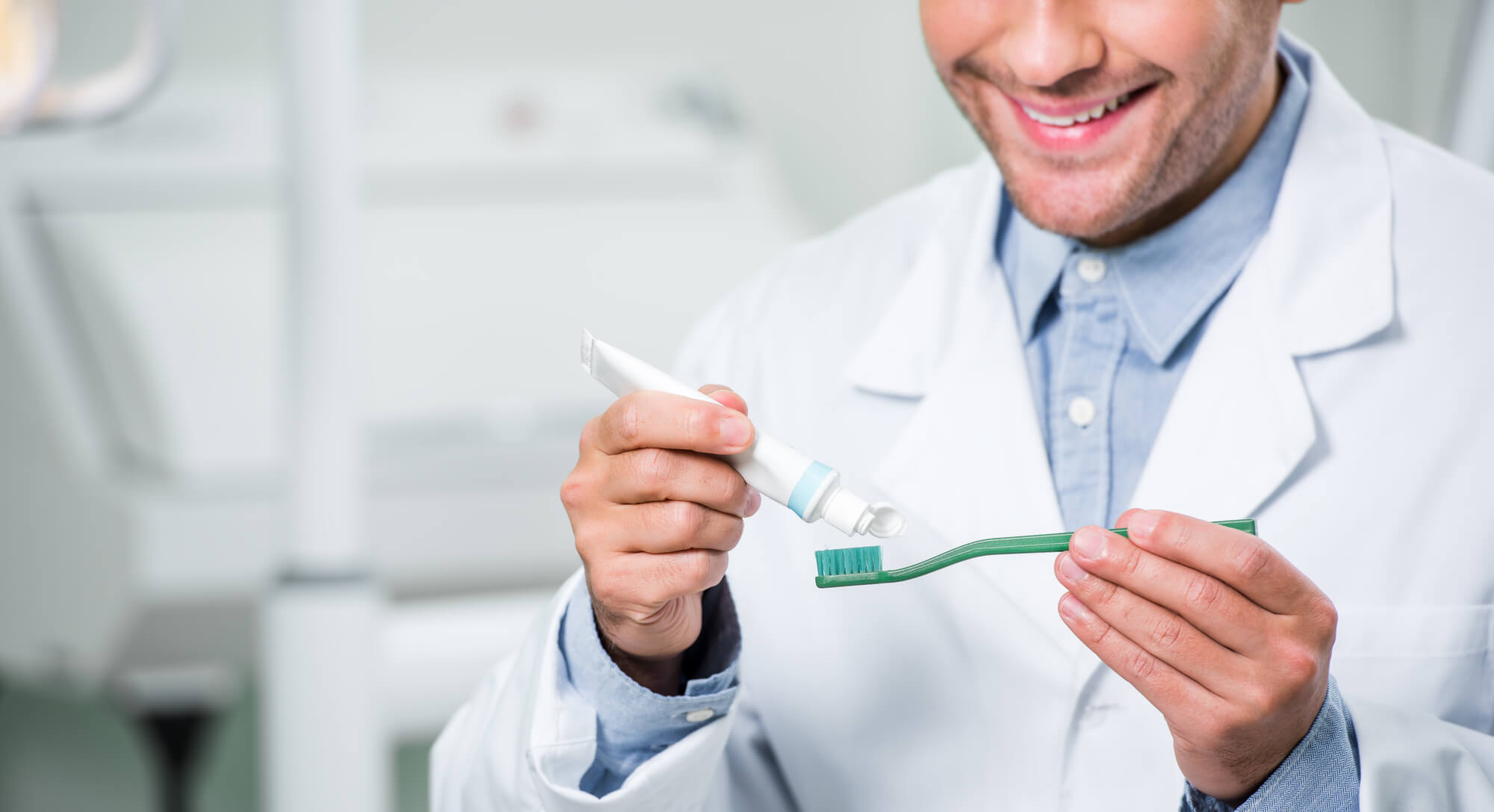
You see recommendations for extra-soft toothbrushes everywhere, even by your dentist in Fort Pierce, but will they still give you that clean feeling? This is a common question for many people considering a switch to softer bristles. Let’s explore whether extra-soft toothbrushes can clean as effectively as their firmer counterparts.
Are Ultra-soft Toothbrushes Effective?
Yes, they are! Extra-soft toothbrushes can clean your teeth as effectively as medium or hard-bristled brushes. The key lies in how you use them. With proper brushing technique, extra-soft bristles can remove plaque and debris just as efficiently, ensuring your teeth and gums stay healthy.
Why Are They Effective?
Gentle on Gums and Teeth
Extra-soft toothbrushes are designed to be gentle on your gums and teeth. They are particularly beneficial for people with sensitive gums, gum recession, or conditions like gingivitis. The softer bristles minimize the risk of causing irritation or further damage to already sensitive areas.
Effective Plaque Removal
Even though they are softer, these toothbrushes are still effective at removing plaque. The secret is in the technique. Using gentle, circular motions, extra-soft bristles can reach into the crevices of your teeth and along the gum line, dislodging plaque and preventing tartar buildup.
Recommended by Dentists
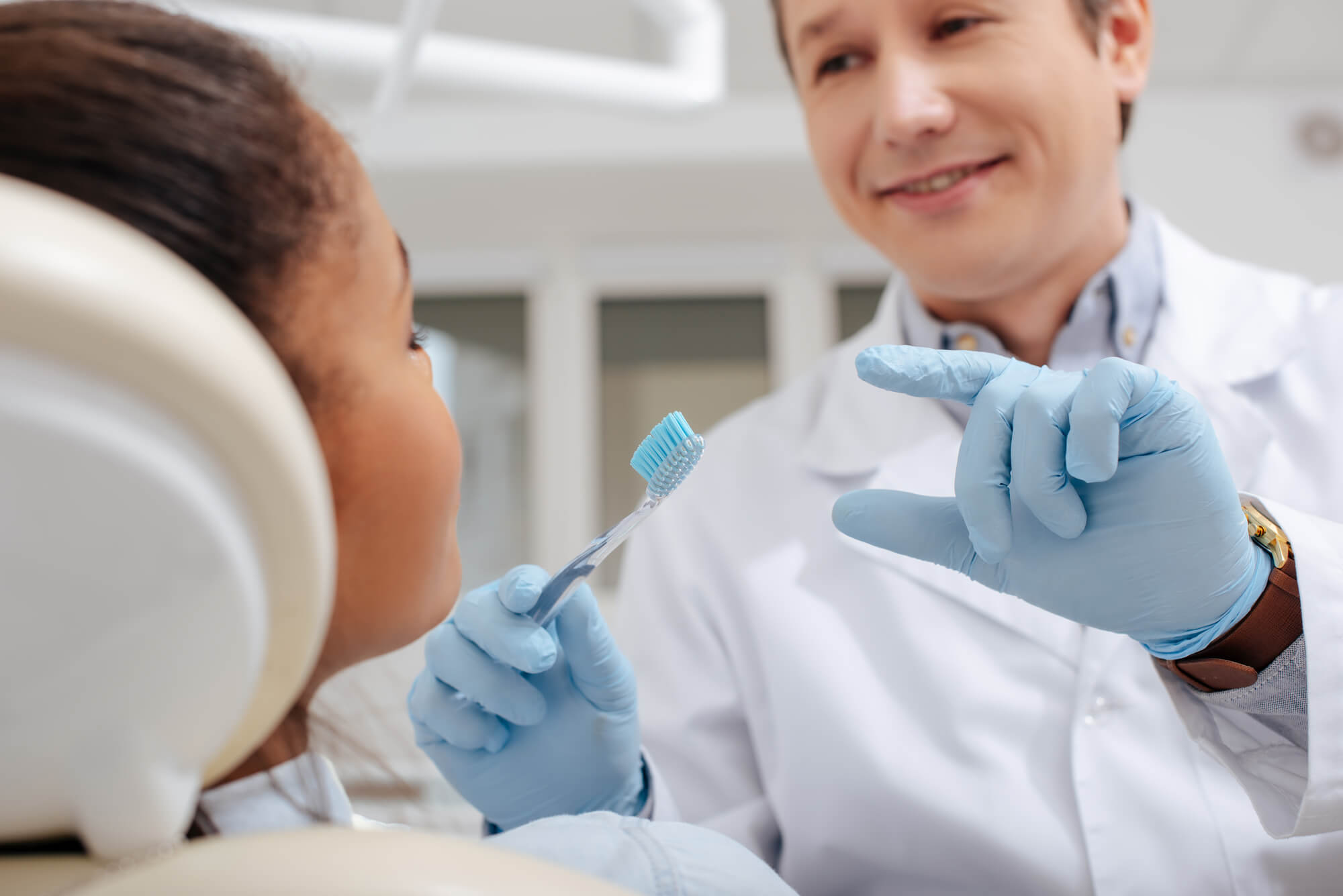
Many dentists recommend extra-soft toothbrushes for specific patient groups. For example, those undergoing orthodontic treatment, individuals with dental implants, or people who have recently had dental surgery might be advised to use extra-soft toothbrushes to avoid causing damage or discomfort.
Extra-Soft vs. Soft vs. Ultra-Soft: What’s Actually Different
The terms get used loosely, but there is a real difference between them—mainly in bristle diameter and flex. Standard soft bristles sit around 0.2mm thick, extra-soft drops to roughly 0.15mm, and ultra-soft (sometimes marketed as “sensitive” or “nano”) can be thinner still, often paired with rounded tips designed to flex more under pressure. The thinner the bristle, the more it bends before it reaches the tooth surface, which is exactly what makes it gentler on receding gums or sensitive enamel.
That said, thinner isn’t automatically better for everyone.
Can a toothbrush be too soft? In practice, yes—if bristles are so soft they collapse under normal brushing pressure, they can leave plaque behind along the gumline, particularly for people who brush quickly or don’t reach every surface. That’s why an extra-soft brush is often the better middle ground: soft enough to protect sensitive tissue, firm enough to still disrupt plaque when paired with proper technique.
Ultra-soft is usually reserved for more specific situations—such as active gum disease, post-surgical healing, or a dentist’s recommendation—rather than for everyday use for most people.
How a Dentist in Fort Pierce Helps You Choose
The right bristle type isn’t one-size-fits-all, which is part of why your dentist in Fort Pierce will often check in on it at a routine cleaning. During a checkup, we can spot early signs of gum recession, assess how much pressure you’re applying based on wear patterns on your current toothbrush, and flag whether your technique is compensating for (or being undermined by) your bristle choice.
If you’re brushing thoroughly but still seeing plaque buildup at your cleanings, that’s often a cue to switch to an extra-soft brush rather than push harder with a firmer one. It’s a small adjustment, but one that’s easier to get right with a professional opinion than by guessing at the store shelf.
Keep Your Oral Health in Top Shape with the Help of Your Dentist in Fort Pierce!
At Smooth Sailing Dental, we are dedicated to helping you maintain your oral hygiene in top shape. Whether you need advice on choosing the right toothbrush or a professional cleaning, our team is here to assist you. Schedule an appointment with us today!