We are thrilled to announce the immediate availability of our secure telehealth video service! We now offer fully HIPAA-compliant video conferencing for our patients and friends that is:
Our new video chat service is completely safe and secure, fully protects the privacy of the patient, and works on Android and iOS, on PCs and Macs! The software is fully vetted and tested so that our patients and friends can rest assured that their protected health information will remain private and secure. All you need to have is a computer, tablet or smartphone with Web Cam and audio capabilities and a good internet connection! We are now scheduling appointments for new and established patients to video chat directly with the dentist to review your existing treatment plans and/or answer any of your dental need questions. Patients may schedule video chat appointments by calling our office and speaking with our staff available during business hours Monday through Friday.
Sincerely, W. Roger Long, DDS, PA Bethany T. Wierzbicki, DMD, MBA
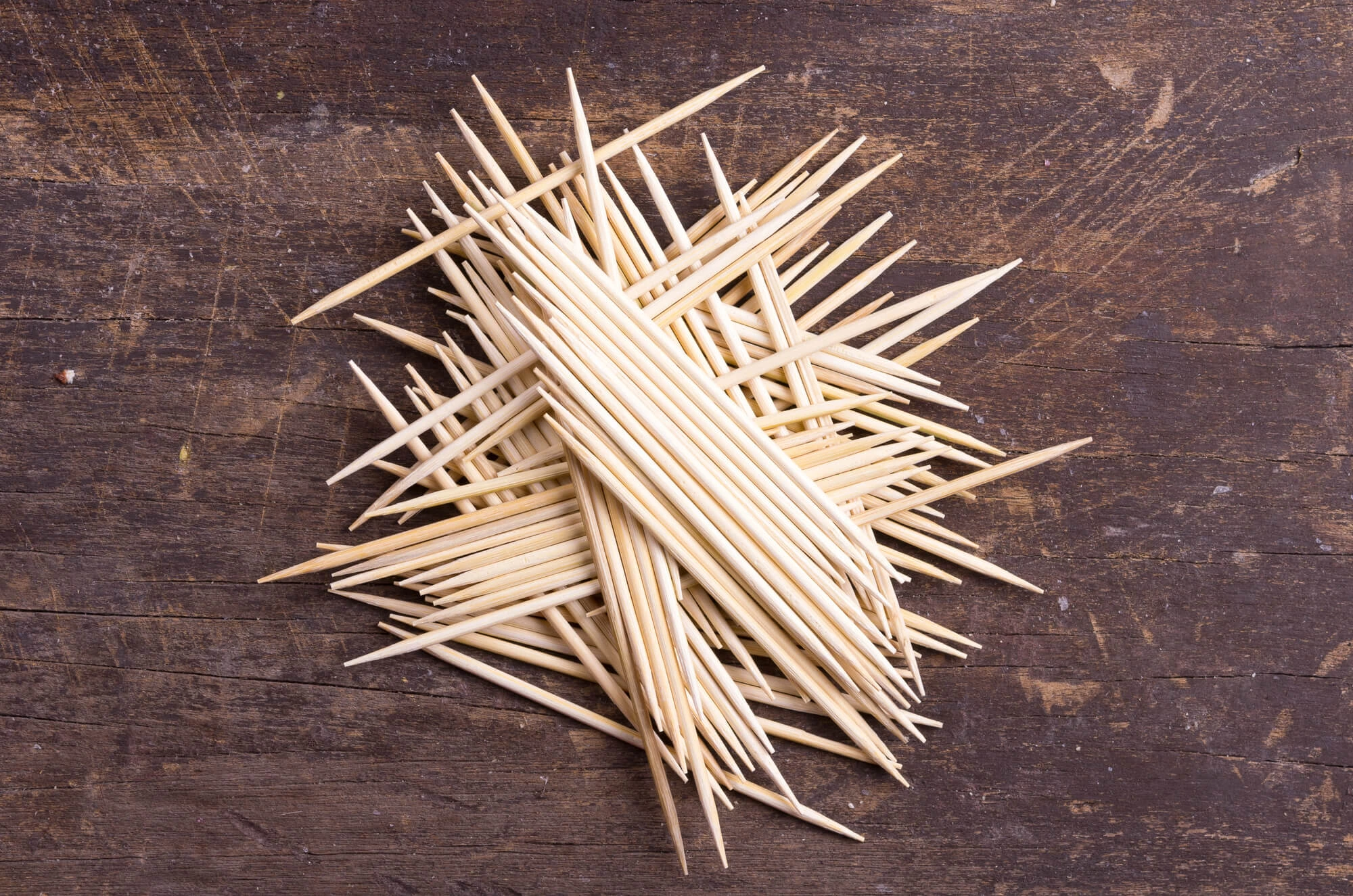
The Dangers of Toothpicks: Why Dentists Don’t Recommend Using Them
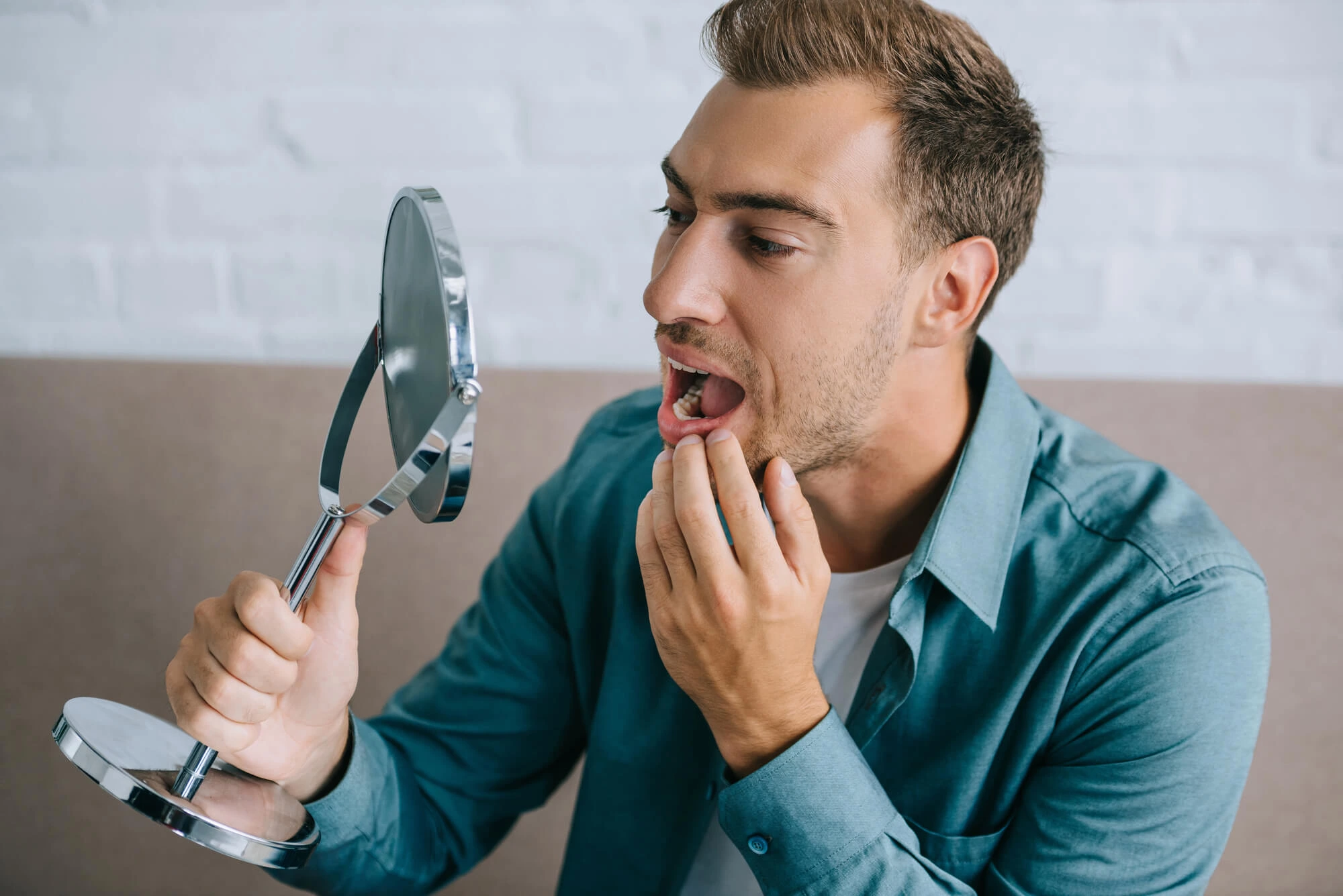
Food stuck between teeth isn’t only uncomfortable, but it’s also a common source of tooth decay: in fact, most cavities are interdental, or between teeth, because toothbrushes alone fail to remove leftover debris in those areas effectively. The best way to prevent it, according to any dentist in Indian River, is to floss at least once a day.
However, if you’re in a restaurant or on the go, you may feel tempted to use a toothpick to remove a piece of food, which can have some negative consequences for the health of your smile.
5 Ways Using a Toothpick Could Damage Your Smile
Several dental problems can arise from using toothpicks excessively or incorrectly, including:
Gum Damage: Aggressively using toothpicks can damage the gum tissue, leading to irritation, bleeding, and eventually even gum recession.
Tooth Enamel Wear: Using wooden or hard plastic toothpicks to scrape against the enamel repeatedly can cause microabrasions that raise the risk of decay.
Dental Infections: Wooden toothpicks have the potential to splinter and become stuck between teeth or gums, which could lead to inflammation or infection.
Gap Widening: Regularly using toothpicks can widen the spaces between teeth, raising the risk of plaque buildup and food impaction.
Bacterial Contamination: Using unsterile toothpicks or reusing them can spread bacteria into the mouth, leading to oral infections.
Plastic, Metal, or Wooden: Which Toothpicks Are Safer?
Not all toothpicks are made the same, and the material affects how gentle they are on your smile. Wooden toothpicks are designed for one use only. Once the wood gets wet, it softens, frays, and is more likely to break off below the gum line. Plastic toothpicks and plastic dental picks are generally smoother and less likely to splinter, which makes them a safer choice for occasional use, especially those with soft, flexible rubber tips. Metal toothpicks, on the other hand, are rigid and can easily scratch enamel or puncture gum tissue if you press too hard.
So, can you reuse toothpicks? Only if they’re specifically made to be reusable, like some plastic or stainless-steel picks. Even then, wash them with soap and hot water after every use, and replace them as soon as the tip wears down. Single-use wooden and plastic toothpicks should go straight into the trash.
Is It Bad to Chew on Toothpicks?
Many people keep a toothpick in their mouth out of habit, but any dentist in Indian River will tell you it’s a habit worth breaking. Constantly biting down on a hard object can chip or crack teeth, strain your jaw joints, and wear down existing dental work such as fillings and crowns. There’s also a risk of accidentally swallowing a toothpick or a broken piece of one, which can injure your throat or digestive tract and may require emergency care. If you chew on toothpicks to manage stress or curb snacking, sugar-free gum is a much safer substitute.
What to Do If You Don’t Have a Toothpick
Food stuck in your teeth and no toothpick in sight? Start by swishing water vigorously around your mouth, which can often dislodge debris on its own. If you carry floss, a floss pick, a soft interdental brush, or a disposable mini toothbrush, any of those is a gentler option. Avoid using fingernails, paper, safety pins, or other sharp objects, as they can cut your gums or push food even deeper.
If something stays stuck for more than a day, or your gums become sore and swollen, schedule a visit with a dentist in Indian River so the debris can be removed safely before it leads to infection.
Protect Your Oral Health with These Tips from a Dentist in Indian River
Toothpicks have been a common oral appliance for centuries now—but nowadays, there are better alternatives for the health of your smile. While occasional gentle use is generally safe, floss or interdental brushes are more effective alternatives for cleaning between teeth.
If you need any advice on oral hygiene habits or have hurt your smile while using a toothpick, call Smooth Sailing Dental for help!