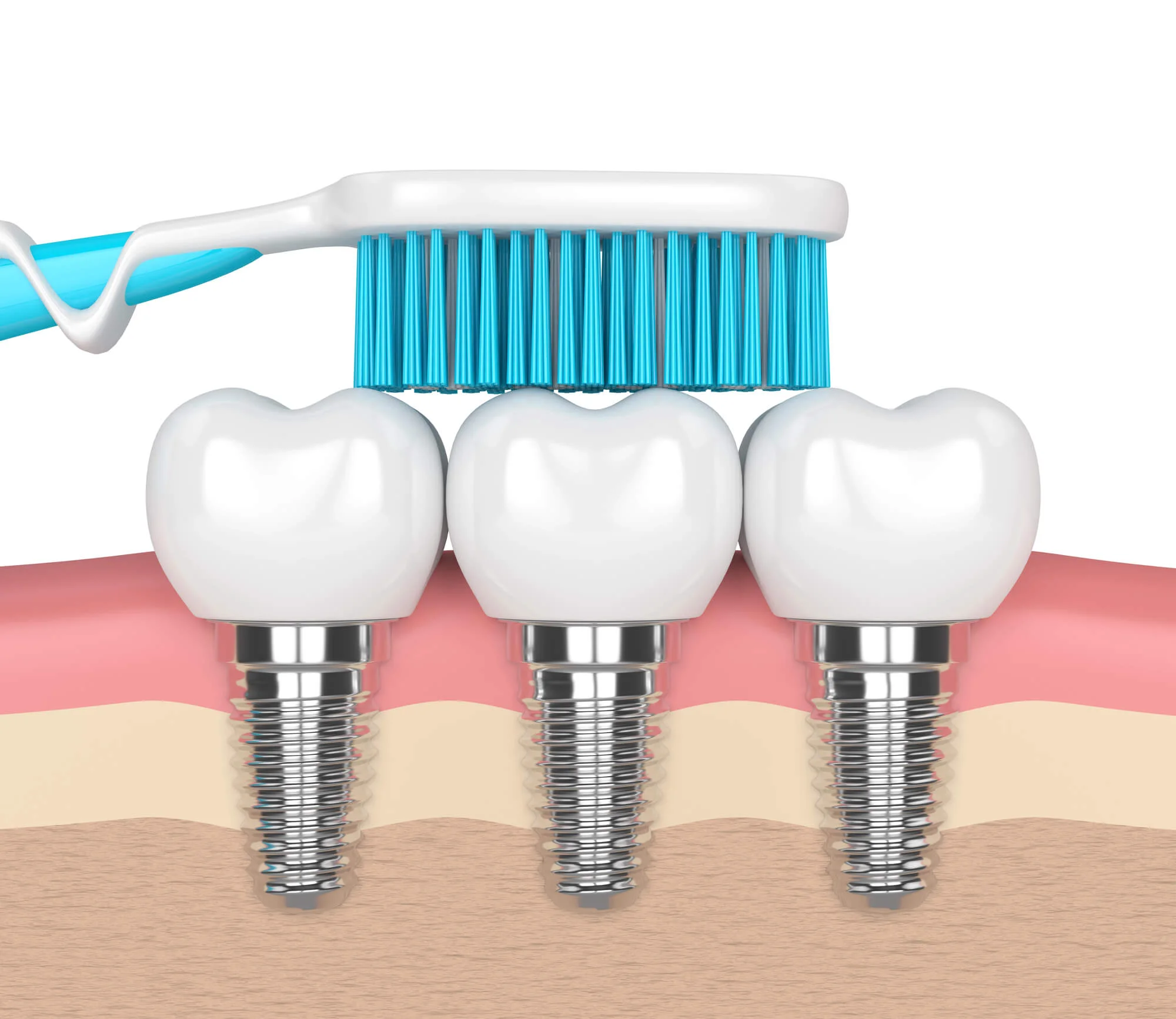
Caring for dental implants is much like caring for natural teeth: brush twice a day, clean between your teeth daily, avoid harmful habits, and see your dentist regularly. Good care protects the gums and bone around the implant, which helps it last for decades.
Dental implants are one of the most durable ways to replace missing teeth. The implant itself cannot get a cavity, but the gums and bone that support it still need daily attention. Without proper care, bacteria can accumulate around the implant, leading to infection. If you have or are considering Vero Beach dental implants, learning how to care for them can help protect your investment for years to come.

Daily Care for Dental Implants
Daily care is the most important part of keeping your implants healthy. Plaque can collect around the implant crown and along the gumline just like it does on natural teeth. If plaque is not removed, it can irritate the gums and lead to problems. A simple routine done consistently makes a big difference.
Your Daily Implant Care Checklist
Following a few basic habits each day helps keep your implants and gums in great shape. These steps take only a few minutes but provide long-term protection. Your dentist may suggest additional tips based on your needs. Here are the essentials:
- Brush at least twice a day with a soft-bristle toothbrush
- Use a low-abrasive toothpaste to protect the implant crown
- Floss daily with implant-safe floss or floss threaders
- Use a water flosser to clean around the implant and under bridges
- Rinse with an alcohol-free antimicrobial mouthwash if recommended
Brushing Around Implants
Brushing removes plaque from the implant crown and the gumline around it. Angle your toothbrush toward the gums and use gentle, circular motions. An electric toothbrush with a soft head can make cleaning easier and more thorough. Avoid hard bristles, which can scratch the crown and irritate the gums.
Cleaning Between Teeth
Food and plaque can get trapped between the implant and nearby teeth. Floss threaders, interdental brushes, and water flossers can reach these tight spaces. Interdental brushes with nylon-coated wires are safer for implants than bare metal ones. Cleaning between teeth every day helps prevent gum inflammation.
Why Implant Care Matters
Even though implants are made of strong materials, the surrounding tissue can still develop problems. The most common concern is an infection called peri-implantitis. This condition affects the gums and bone that hold the implant in place. Understanding the risks helps you stay alert to early warning signs.
What Is Peri-Implantitis?
Peri-implantitis is an inflammatory condition caused by bacteria building up around an implant. It often starts as mild gum irritation, called peri-implant mucositis, which can usually be reversed with good care. If left untreated, it can lead to bone loss around the implant. In severe cases, the implant may loosen or fail.
Warning Signs to Watch For
Pay attention to changes in the gums around your implant. Signs of a problem include redness, swelling, bleeding when brushing, or tenderness. You may also notice a bad taste, pus, or an implant that feels loose. Contact your dentist right away if you notice any of these symptoms.
Habits That Protect Your Implants
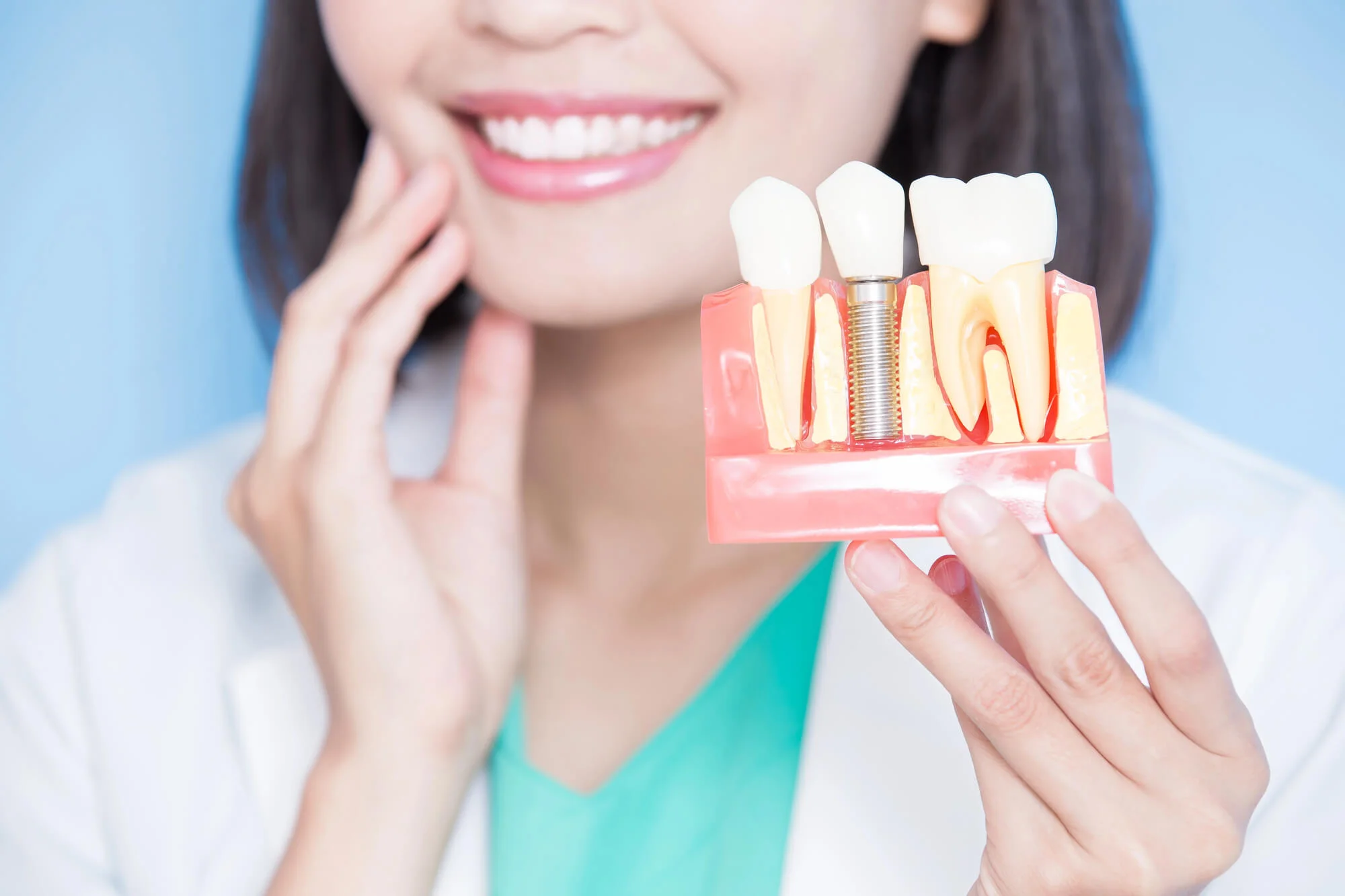
Your daily habits can have a big impact on how long your implants last. Some behaviors put extra stress on the implant or raise your risk of infection. Making a few changes can help keep your smile strong and healthy. Small changes now can prevent costly repairs later.
Avoid Smoking and Tobacco
Smoking reduces blood flow to the gums and slows healing. It also increases the risk of gum disease and implant failure. Quitting tobacco is one of the best things you can do for your implants and overall health. Your dentist or doctor can help you find resources to quit.
Protect Against Grinding and Hard Foods
Teeth grinding puts heavy pressure on implants and can damage the crown or loosen parts. If you grind your teeth, a custom night guard can help protect your implants while you sleep. Avoid chewing on ice, hard candy, or other hard objects. Wearing a mouthguard during sports can also prevent injuries.
The Role of Regular Dental Visits
Professional care is just as important as your home routine. Regular checkups allow your dentist to monitor the implant, gums, and bone. Professional cleanings remove buildup that brushing and flossing may miss. Most patients should visit every six months, though some may need more frequent visits.
What Happens During an Implant Checkup
Your dentist will check the gums around the implant for signs of inflammation. X-rays may be taken to look at bone levels around the implant. The hygienist will clean the implant using tools designed to avoid scratching its surface. Your dentist will also check your bite to ensure the implant is not under excessive pressure.
Frequently Asked Questions
How long do dental implants last?
With proper care, the implant post can last for decades and often a lifetime. The crown on top may need to be replaced after 10 to 15 years due to normal wear. Good oral hygiene and regular checkups help extend the life of both.
Can dental implants get cavities?
No, implants cannot get cavities because they are made of artificial materials. However, the surrounding gums and bone can still develop infections. Natural teeth next to the implant can also get cavities, so daily care is still important.
Is a water flosser good for implants?
Yes, water flossers are very effective for cleaning around implants. They can flush food and bacteria out of hard-to-reach areas. Many patients use a water flosser along with regular floss for the best results.
What toothpaste should I use with implants?
Choose a low-abrasive toothpaste that is gentle on the implant crown. Avoid toothpastes with harsh whitening agents or baking soda that can scratch the surface. Your dentist can recommend a specific product for you.
How soon after implant surgery can I brush normally?
You can usually brush your other teeth gently the day after surgery. Avoid brushing the surgical site directly until your dentist says it is safe. Follow your aftercare instructions closely to support healing.

Keep Your Smile Healthy With Vero Beach Dental Implants
Caring for your implants helps you enjoy a strong, natural-looking smile for many years. Our team will guide you through every step, from placement to long-term maintenance. We will also show you the best tools and techniques for cleaning around your implants. Contact Smooth Sailing Dental today to schedule your implant consultation or checkup.